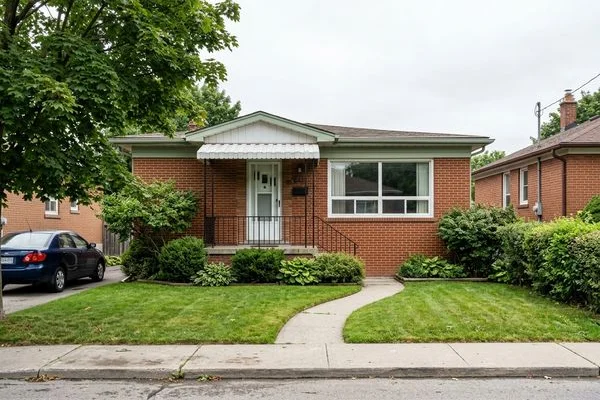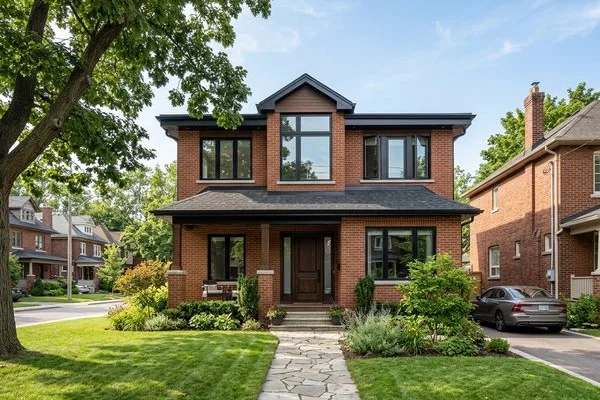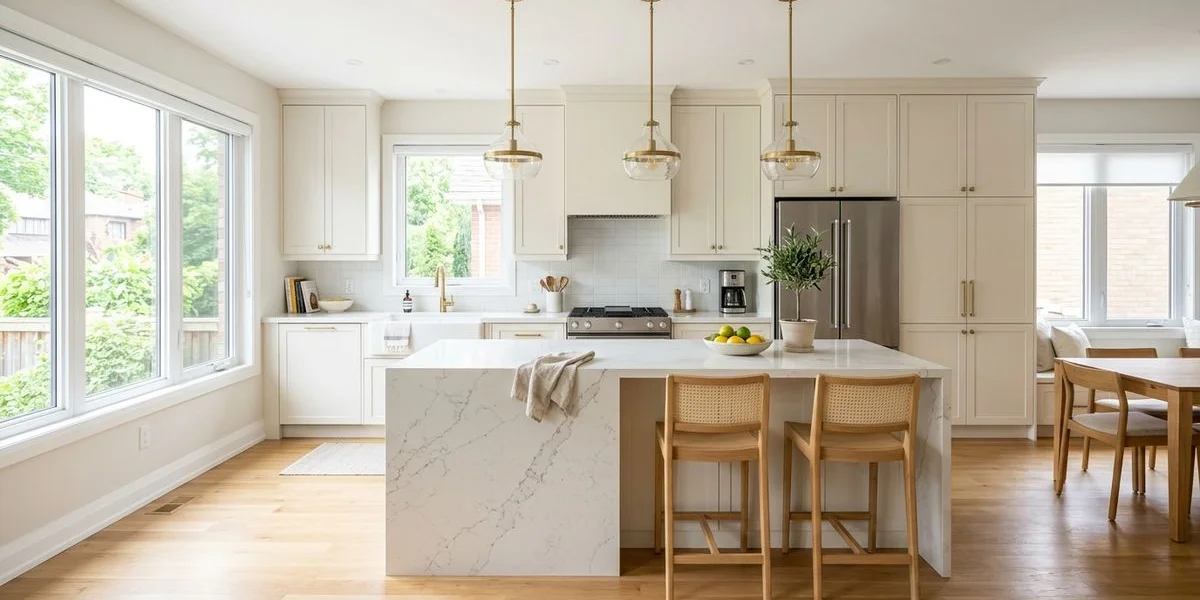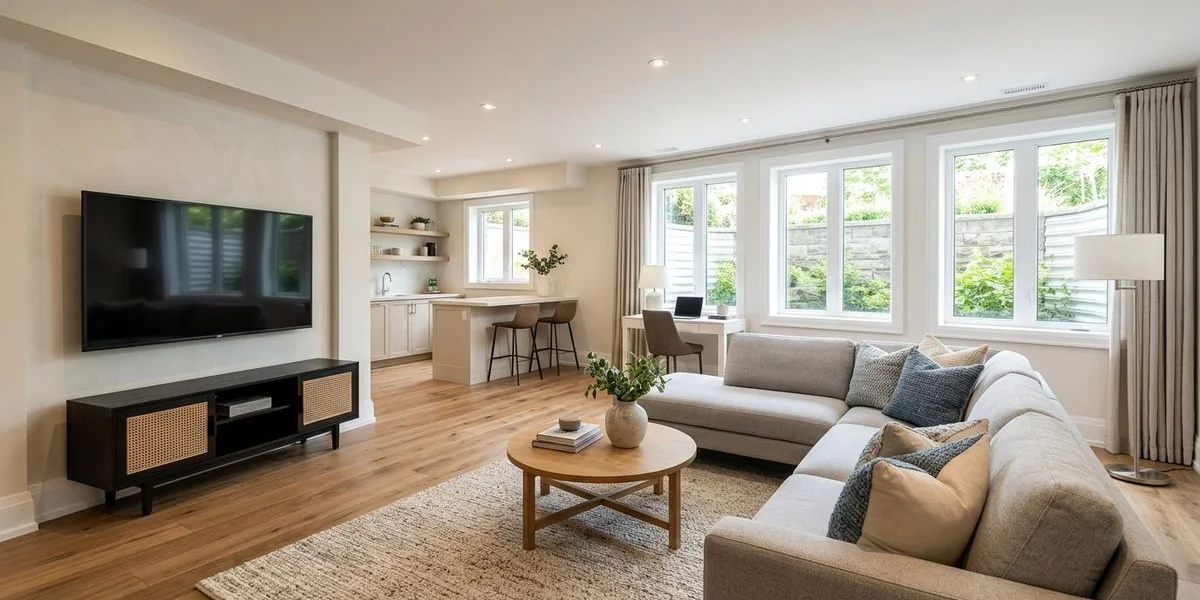
What Is a Home Addition?
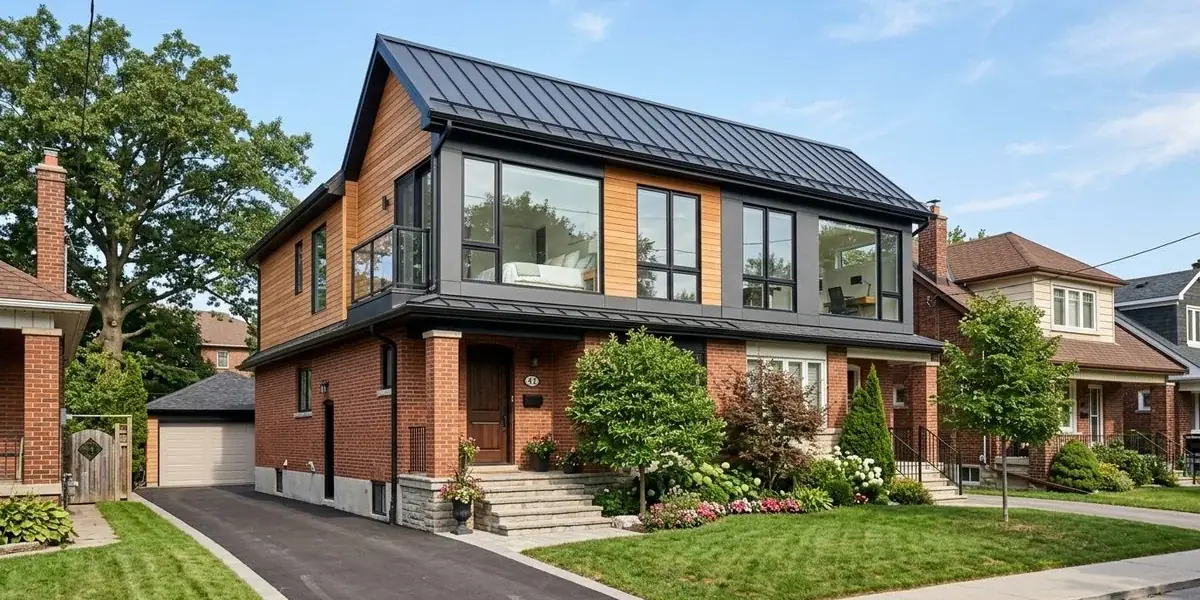
A home addition expands your house - building up with a second storey, topping up a bungalow, or extending out the rear - so you gain the space your family needs without leaving the neighbourhood you love. For many Toronto homeowners, an addition is the smarter alternative to selling: you keep your street, your schools, and your community, and you end up with a home built around how you actually live.
Additions are the most complex projects we take on. They involve structural engineering, foundation work, roof framing, and a permitting process that often includes the Committee of Adjustment. As a design-build renovation firm, we manage all of it under one roof - architectural drawings, engineering, permits, and construction - with a single point of contact from feasibility to final inspection.
Because an addition is a major build, our fixed-price model matters here most of all. We do not lock the price on a guess. We complete the architectural drawings and structural engineering first, scope every element, and then confirm one guaranteed price. A project of this size should never become a financial gamble.
What’s Included
Our additions cover the full scope: zoning feasibility, architectural drawings, structural engineering, building permits, Committee of Adjustment applications, foundation extensions, framing, roofing, exterior finishes, interior build-out, and final clean-up.
Common Addition Problems We Solve
You Have Outgrown Your Home but Love Your Street
Moving means giving up your neighbourhood, your schools, and your community. An addition keeps all of that and gives you the extra bedrooms, larger primary suite, or family space you need.
Permits and Zoning Feel Overwhelming
The Committee of Adjustment, minor variances, lot coverage limits - the approval process stops many homeowners before they start. We handle every application and hearing, so the bureaucracy is our job, not yours.
Fear of an Open-Ended Budget
Additions have a reputation for spiralling costs once construction uncovers surprises. We complete engineering before pricing, build proper contingency into the scope, and lock the figure, so a six-figure project stays predictable.
Matching New Construction to the Existing Home
A poorly executed addition looks bolted on. Our design team ensures the new structure integrates with the existing rooflines, finishes, and proportions so the result reads as one cohesive home.
Planning Your Home Addition
Every addition begins with a feasibility review: we check zoning, lot coverage, and setbacks to confirm what is possible on your property. From there we move into architectural design and 3D renderings, then structural engineering and permits. Only once that planning is complete do we lock in the fixed price and reserve your crew - so the most ambitious project in your home’s history starts on solid ground.
Home Addition Costs in Toronto
Home additions in Toronto range from $150,000 for a rear single-storey extension to $400,000 or more for a full second-storey addition. The wide range reflects the structural complexity, permit requirements, and finish level involved.
| Addition Type | Typical Cost | Duration | Key Requirements |
|---|---|---|---|
| Rear single-storey | $150K - $220K | 4 - 6 months | Building permit, zoning compliance |
| Second-storey addition | $200K - $350K | 5 - 8 months | Structural engineer, possible CoA variance |
| Bungalow top-up | $250K - $400K+ | 6 - 10 months | New roof, full structural package, CoA variance |
Every addition in Toronto requires a building permit. Projects that exceed zoning limitations for lot coverage, setbacks, or height require a Committee of Adjustment application before a building permit can be issued.
Toronto Zoning Bylaws and the Committee of Adjustment
Toronto’s Zoning Bylaw 569-2013 sets the rules for what can be built on a residential lot. The key limitations that affect home additions are:
Lot coverage is the percentage of the lot area that can be covered by the main building and accessory structures. In most Toronto residential zones, lot coverage is capped at 33 to 40%. An addition that pushes the building footprint beyond this limit requires a minor variance from the Committee of Adjustment.
Setbacks govern the minimum distance between the building and the property lines. Rear additions that extend beyond the permitted rear yard setback require a CoA variance. Side additions that reduce the side yard clearance below the minimum also require approval.
Height limits apply to second-storey additions and bungalow top-ups. In many Toronto neighbourhoods, the maximum permitted building height is 9 to 10 metres. An addition that exceeds this requires a CoA application.
We prepare the minor variance application, attend the hearing, and coordinate the neighbourhood notice process. Committee of Adjustment hearings are scheduled monthly. The process typically takes 8 to 12 weeks from application to approval.
Bungalow Top-Up vs. Rear Addition
The two most common addition types in Toronto are the bungalow top-up and the rear extension, and they solve different problems.
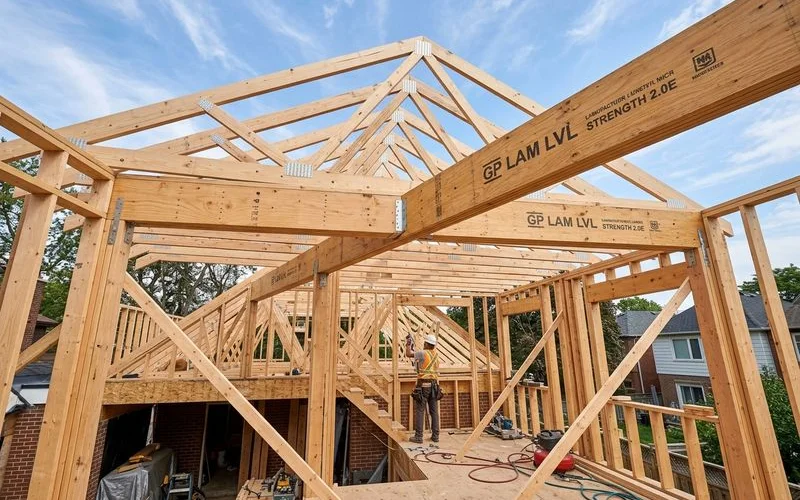
Bungalow top-up (second-storey addition on a bungalow) is the right choice when: the lot is already at maximum coverage, the rear yard is too small for an extension, or the goal is to add 2 or more bedrooms. A top-up lifts the roofline, adds a full second storey, and typically adds 1,000 to 1,500 square feet. Concrete footings and foundation walls must be assessed and often upgraded to carry the new load. Cantilevered floor systems using engineered LVL or I-joist framing allow the new floor to extend slightly beyond the original footprint without additional foundation work.
Rear addition is the right choice when: the main floor needs more space, an open-concept kitchen-to-family-room connection is the goal, or a main-floor primary suite is needed. Rear additions require concrete footings poured to frost depth (typically 4 feet in Toronto) and a new foundation connecting to the existing structure.
Both types require a structural engineering report confirming the existing foundation capacity and specifying the connection details between old and new structure.
Second-Storey Additions: Structural Considerations
Adding a second storey to a single-storey home or a rear addition involves more structural work than many homeowners expect. The existing foundation and first-floor framing must carry the new load. A structural engineer reviews the existing framing, specifies any required upgrades, and produces the structural drawings required for the building permit.
The Ontario Building Code governs minimum header sizes over window and door openings, stair geometry, ceiling heights, and fire separation between floors. We coordinate all OBC compliance requirements through the permit process.
Temporary interior shoring is required while the existing roof is removed and new framing is erected. We protect the interior from weather with temporary roofing during this phase.
Home Addition vs. Moving
For many Toronto families, the decision between adding to the existing home and buying a larger home comes down to transaction costs and neighbourhood attachment. Buying a larger Toronto detached home in 2026 involves land transfer tax (provincial plus Toronto’s municipal tax), real estate commissions, and moving costs that typically total $80,000 to $120,000 on a $1.5M home purchase - before any renovation costs on the new property.
A home addition at $200,000 to $350,000 delivers the same square footage increase in the same neighbourhood, with no land transfer tax, no commission, and no disruption to schools, commutes, or community ties.
Garage Additions and Conversions in Toronto
Adding a garage or converting an existing one addresses both space and utility goals. Attached garage builds can serve as insulated mudrooms, workshops, or self-contained apartments under Toronto’s permitted secondary unit regulations. Detached garage designs must align with property setbacks and height restrictions under Zoning Bylaw 569-2013.
Converting an existing garage into habitable space requires fire separation upgrades under Part 9 of the Ontario Building Code: fire-rated gypsum board, sealed penetrations, and metal hoods around ductwork. Vapour barriers and new HVAC connections bring the conversion up to residential habitability standards. Concrete slabs commonly require waterproofing treatment and, given Toronto’s winters, radiant floor heating to eliminate cold spots at ground level.
New detached or attached garage construction typically costs between $250 and $400 per square foot, making it one of the more accessible addition types relative to its impact on livability and property value. Many homeowners pursue a garage project as a mid-range upgrade without the structural complexity of a full second-storey build.
Bump-Outs and Cantilevered Extensions
A bump-out is a compact ground-floor extension - usually under three metres deep - that enlarges a kitchen, dining area, or bathroom without requiring a full new foundation. Many bump-outs use cantilevered floor systems that extend engineered beams beyond existing supports, limiting excavation costs and shortening build time considerably relative to a full rear addition.
Our structural engineers calculate beam spans, joist depth, and live load ratings to meet Ontario Building Code requirements. Thermal bridging must be addressed with continuous insulation under the cantilever to prevent condensation and cold floor spots during Toronto winters. In higher-density Toronto neighbourhoods, bump-outs often avoid the need for Committee of Adjustment approval because the footprint stays within existing setback limits.
These micro-additions deliver meaningful results: a bump-out of 1.5 to 2.5 metres can create a proper dining area, a full-depth kitchen island, or an ensuite bath where none existed before - with a minimal construction footprint and a shorter timeline than a full rear extension.
Underpinning and Foundation Reinforcement
Older Toronto homes - particularly pre-war bungalows and interwar two-storeys in neighbourhoods like East York, Long Branch, and Leslieville - often require foundation reinforcement before a second storey or bungalow top-up can proceed. We assess soil conditions, bearing capacity, and existing concrete footings before any structural work begins. Where foundation depth is inadequate, underpinning strengthens and extends the footing below the frost line.
Common methods include benching (a stepped extension to the existing footing), mass concrete underpinning (sequential pit excavation and pour), and pier installation (driven steel or helical piers to bearing capacity). The right method depends on site access, soil type, and the structural loads the addition will impose on the foundation.
For load-bearing wall modifications, we design bracing systems using steel beams, LVL headers, or shear walls to maintain structural integrity across the modified framing. Every solution is specified by a licensed Professional Engineer, with P.Eng.-stamped drawings submitted as part of the building permit package.
Energy Efficiency and Building Envelope Standards
Modern additions in Toronto must perform efficiently year-round. We integrate upgraded insulation, energy-efficient windows, and air-sealing methods that meet or exceed Ontario Building Code minimum requirements. Improved thermal barriers reduce heat loss and lower long-term utility costs compared to older construction standards.
Typical specifications include rigid foam panels with tested R-values, triple-glazed window assemblies, and vapour-permeable membranes for balanced indoor air quality. Roof insulation on bungalow top-ups typically targets RSI 8.67 (R-49) to align with the OBC’s enhanced performance path. These materials pair with engineered framing to deliver durable comfort while keeping future maintenance needs low.
Mechanical upgrades - HVAC zoning, HRV integration, and hot water distribution - are coordinated during the design phase so no system conflicts arise during construction. The result is a living space that performs as well as a new build in terms of energy use, comfort, and indoor air quality.
What Drives the Final Price of a Home Addition
Beyond square footage, several factors determine where a project lands in its cost range. Structural demands - cantilevered floor systems, foundation underpinning, and engineered beam packages - add significant labour and material costs that a basic per-square-foot estimate doesn’t capture. Projects requiring new mechanical systems, custom millwork, or premium finishes push costs toward the higher end.
Permit fees, design revisions, and OBC compliance processes can each extend timelines and budgets. Homeowners pursuing a minor variance for setbacks or lot coverage limitations should budget for associated city fees and potential delays of 8 to 12 weeks during Committee of Adjustment review.
Our fixed-price contract locks the full scope after engineering is complete - eliminating mid-project markups. We assign one dedicated project manager from start to finish, using in-house trades and direct material sourcing from manufacturers including Caesarstone, Kohler, and Emtek. Each project concludes with a pre-occupancy walkthrough and a written two-business-day warranty response commitment for any post-build concerns.
Building a 10 to 15% contingency into your budget accounts for lead time shifts or conditions uncovered during excavation. With our project calendar typically booked three to four months in advance, early engagement and a locked scope protect against delays and cost overruns on a major build.
Home Addition Project Timeline
A well-run home addition in Toronto moves through four phases. The first is pre-construction: feasibility review, architectural drawings, structural engineering, and zoning assessment. This phase typically takes 6 to 10 weeks and concludes with a fixed-price contract and permit application submission.
The second phase is permit approval. City of Toronto building permit review for a residential addition takes 8 to 15 weeks for straightforward projects. Projects requiring Committee of Adjustment approval - for height, setback, or lot coverage variances - add a further 8 to 12 weeks. We file, track, and manage all correspondence through this phase.
The third phase is construction. Ground-floor rear or side additions typically run 3 to 5 months from permit approval to final inspection. Second-storey additions and bungalow top-ups run 5 to 8 months due to the additional structural, roofing, and mechanical scope. Every workday ends with a clean, sealed site and a written progress update.
The fourth phase is closeout: final city inspections, permit closure, deficiency review, and pre-occupancy walkthrough. We document every space at the start of construction and again at completion, so the scope is verifiable and the handover is clean.
From first consultation to keys-in-hand, a typical second-storey addition takes 12 to 18 months. A rear extension runs 8 to 12 months. Early engagement - before the design phase even begins - is the single most effective way to protect your target completion date.
Permit Documentation for Toronto Home Additions
Every Toronto home addition requires a complete permit submission to the City of Toronto Building Division. The package includes architectural floor plans and elevations, structural engineering reports, foundation and framing details for concrete footings and cantilevered floor systems, and HVAC, plumbing, and electrical layout drawings.
Residential additions that alter a building’s footprint or height must satisfy Ontario Building Code structural loading standards. For projects requiring a Committee of Adjustment variance, the submission also includes a site plan showing setbacks, a statement of justification, and notice to neighbouring property owners.
We prepare and file all permit documentation directly, tracking every submission through the city’s online portal. Footing, framing, insulation, and occupancy inspections are coordinated with city examiners at each required stage. When construction finishes, we close the building permit - a step many renovators overlook that is essential for title insurance, future resale, and home insurance compliance in Ontario.
Serving Toronto and the Greater Toronto Area
Home Renovation Toronto builds additions across the full GTA: East York, North York, Etobicoke, Scarborough, York, and the City of Toronto proper. We also serve Mississauga, Brampton, Vaughan, Markham, Richmond Hill, and Oakville for large-scale projects. Each municipality has its own zoning bylaw provisions, and we confirm compliance for the specific parcel before drawings are submitted, so permit applications proceed without zoning objections or variance delays.